HealthTech Sector
Engineering the Aura Patient Portal
A reference build: consolidating a dozen patient-facing apps into one portal, with IoT vitals arriving over MQTT and a HIPAA-shaped control set designed in from the start.
Design targets, not measured results
AES-256At rest, TLS 1.3 in transit
MQTTDevice ingest, normalised at the broker
HIPAADesigned to the control set
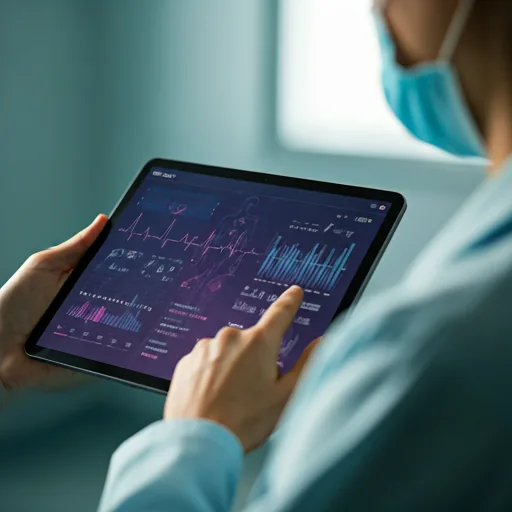
Disjointed Patient Journeys
The brief: twelve separate patient-facing applications from three legacy vendors, and vitals monitors that could not reach the health record in anything close to real time. The clinical blind spot is not a UX problem. It is a data architecture problem wearing a UX problem's clothes.
- warningThree vendor schemas, none of which agree on what a patient is.
- warningDevice telemetry arriving hours after it was clinically useful.

Compliance And Comprehension
Regulated software fails in two directions: it leaks, or nobody can use it. Both are design problems, and both get settled before build.
health_and_safety
Data Touchpoint Mapping
Every point where identifiable data is created, moved or stored, written down first. You cannot encrypt a path you have not found.
devices_other
IoT Aggregation
An MQTT broker normalising output from wearables that each disagree about units, sampling rate and what 'now' means.
psychology_alt
Cognitive Load Reduction
Clinical data reduced to what a patient can act on. The hard part is deciding what not to show, and that is a clinical decision rather than a design one.
Build Sequence
Build Sequence
01 / 03
Phase 1: API Consolidation
Wrap the legacy record systems in one GraphQL layer. The vendors keep disagreeing underneath; the client applications stop having to know about it.
02 / 03
Phase 2: Real-time Telemetry
WebSockets and an MQTT broker for high-frequency biometric streams, with backpressure handled at the edge so a chatty device cannot take the ingest path down.
03 / 03
Phase 3: Cross-Platform Native App
One React Native application with real HealthKit and Health Connect integration. Offline-first, because hospital corridors are where mobile signal goes to die.
Compliant Data Fabric
All third-party device telemetry lands in a single controlled enclave before anything reads it. One source of truth for clinicians and patients, and one place where access, retention and audit are enforced rather than three.
Technology Stack
React NativeNode.jsGraphQLAWSPostgreSQL
EDGE API GATEWAY
AUTH
ROUTING
DATA
DISTRIBUTED CLUSTER
Other reference builds
View All arrow_forwardRecognise your own system in this?
Then the next useful thing is forty-five minutes and a written brief on yours. Same format as this page, your constraints, and yours to keep either way.